
Marcus T.Austin, Texas
★★★★★
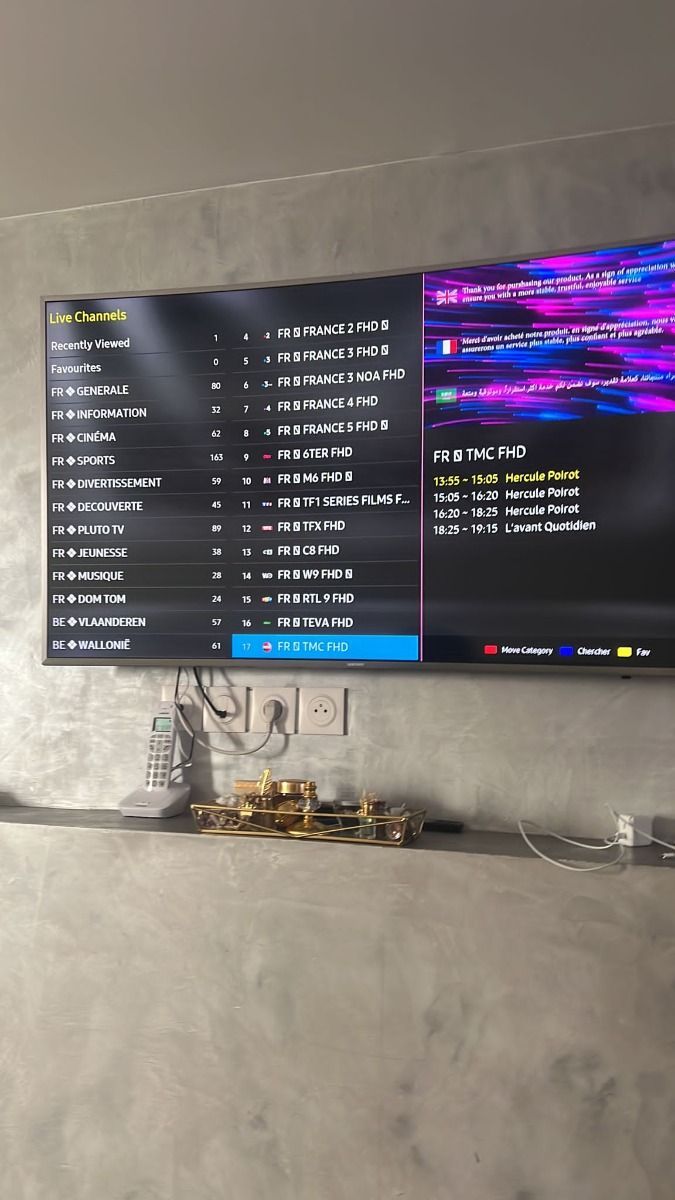
The Fire TV instructions made the first login easy. I saved my sports groups as favorites and can reach weekend events without searching the entire list.
Customer feedbackA helpful FreeGoTV review should describe what happened on a real device rather than offer vague praise. These customer stories cover app setup, sports browsing, guide timing, package choice and support, followed by tips for judging review claims thoughtfully.
Viewers across the United States use FreeGoTV for sports, movies and international channels. The published rating is 4.9 out of 5 from 243 reviews, with feedback centered on picture quality, dependable navigation and uncomplicated installation.
★★★★★ 4.9 / 5 based on 243 reviews
The Fire TV instructions made the first login easy. I saved my sports groups as favorites and can reach weekend events without searching the entire list.
Customer feedback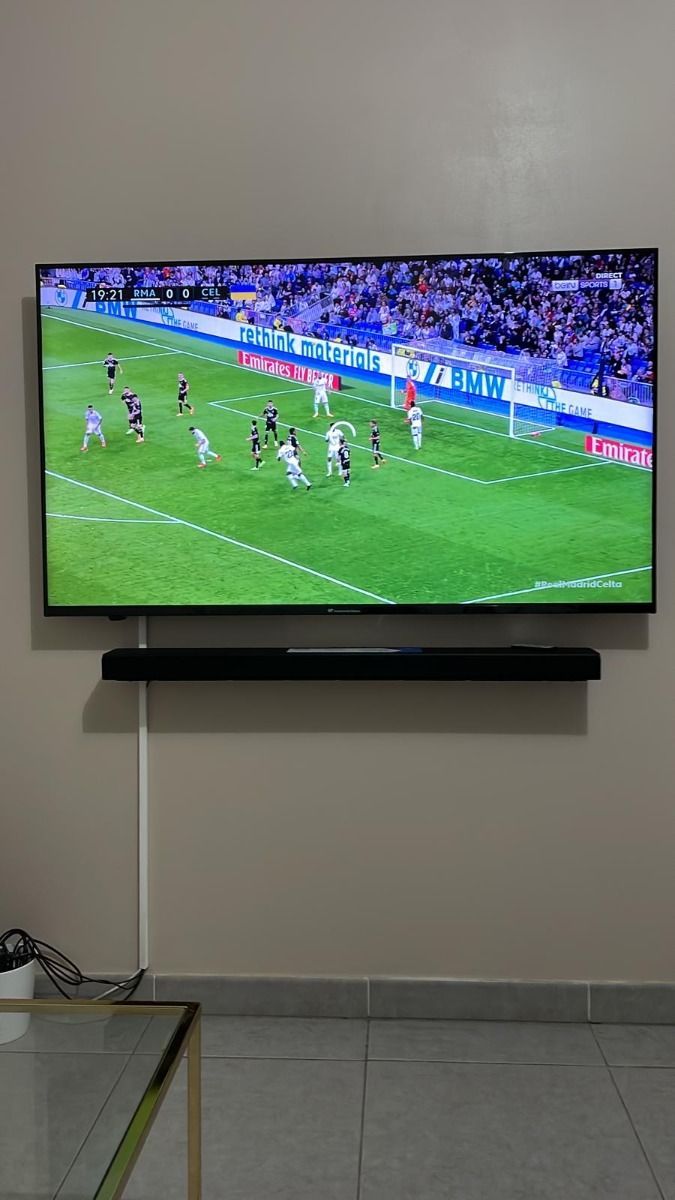
We use the movie library on an LG TV and the menus feel straightforward from the remote. Support also explained how to refresh new categories.
Customer feedback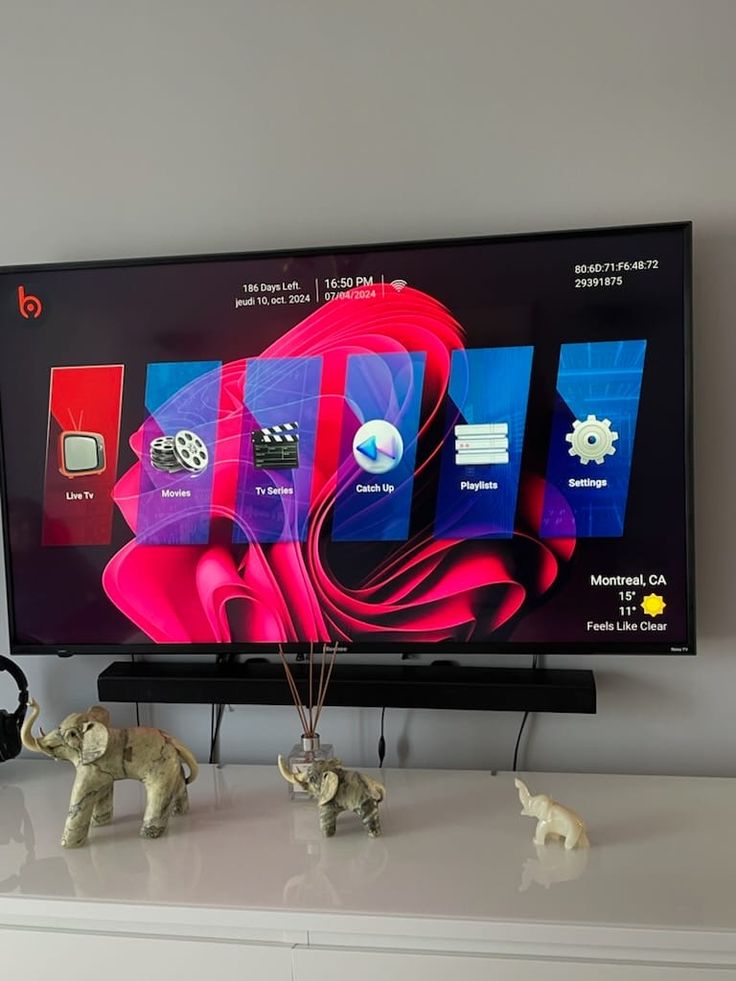
The EPG guide is the feature I notice most. Once the time zone was corrected, browsing live programs became much quicker.
Customer feedback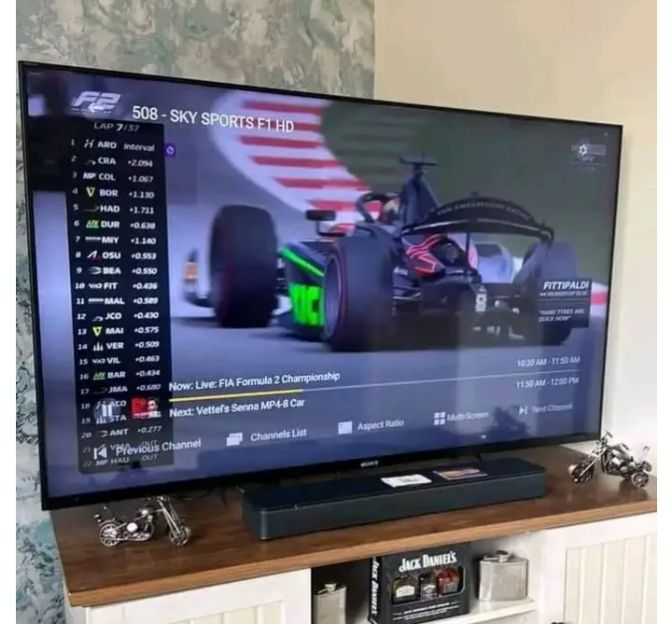
Android TV setup took only a few minutes after I chose the right player. The troubleshooting guide helped me improve the Wi-Fi signal too.
Customer feedback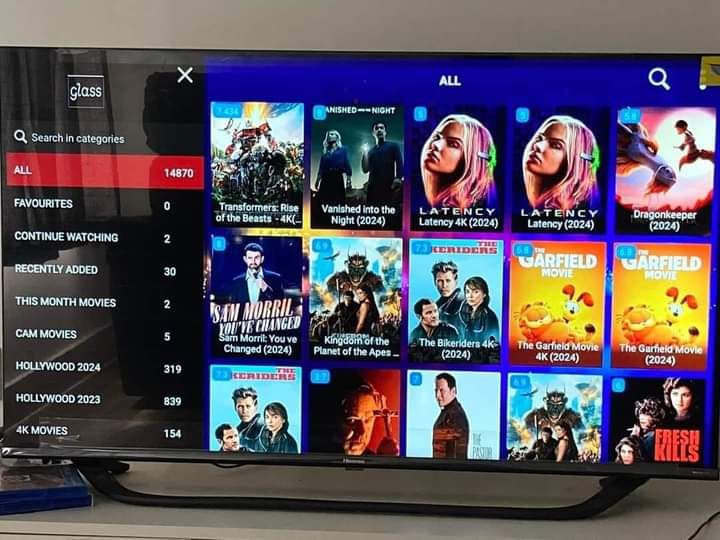
The multi-screen options were described clearly, which helped us choose a package for the living room and a second television.
Customer feedback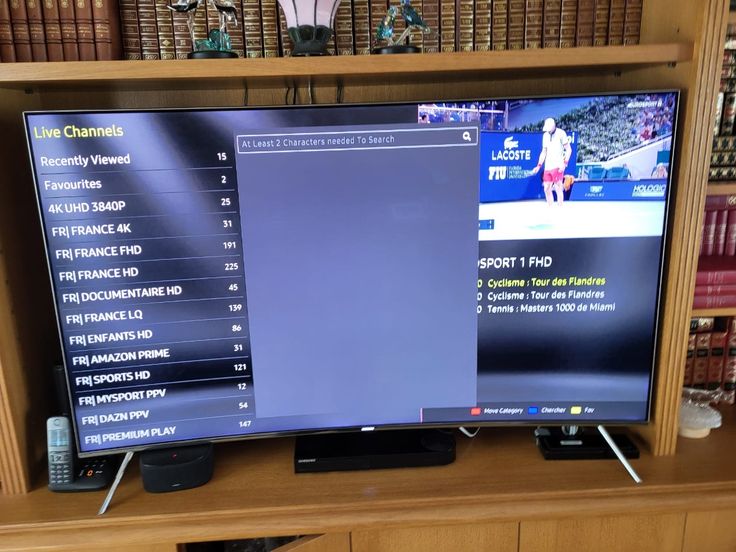
I wanted US entertainment plus international choices for family visits. Favorites keep the larger catalog from becoming overwhelming.
Customer feedback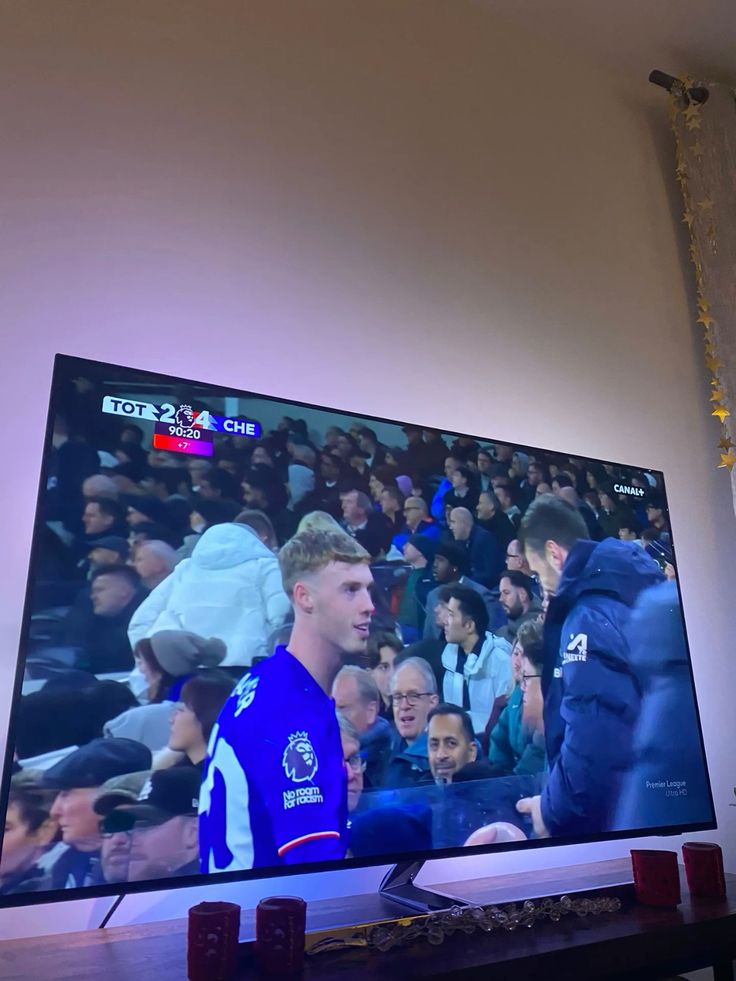
WhatsApp support helped me fix a guide refresh issue without technical jargon. I appreciated receiving one step at a time.
Customer feedbackThis extended guide approaches customer experiences and review quality from distinct practical angles without repeating the same sales paragraph.
Define your must-have experience is an important part of customer experiences and review quality. List the channels, sports, languages and household screens that would make the subscription useful before comparing large catalog totals. Apply that idea first to credible detail, then note whether support experiences changes the outcome. A home streaming setup is a chain: the subscription supplies access, the player organizes it, the device decodes it and the local connection carries it. One weak link can imitate a service-wide problem. Record the current setting, change only one factor and replay a familiar item. That small discipline creates evidence instead of guesswork. If your question moves beyond this topic, open the pricing. It provides the next focused check while keeping passwords and complete access URLs out of public conversations.
For the Reviews topic, begin with what can be observed on the screen. Run a speed test beside the television during a busy evening; a fast result next to the router can hide weak coverage in another room. Test device context at the same time of day and on the same device you normally use, because a quiet afternoon phone test may not represent a busy living-room connection. Next, compare picture expectations without changing the app and network together. If the result differs, write down the exact point where it changed. That note is more valuable to support than a general statement that streaming is slow. Use the features for the neighboring decision. This step-by-step approach keeps the recommendation tied to your real US household instead of a generic ideal setup.
customer experiences and review quality becomes easier to judge when support experiences and long-term use are treated as separate questions. A player should come from a trustworthy source, accept the provided login method and remain comfortable to navigate from ten feet away. Start with one known channel or title, confirm that the account is active and observe whether the player completes its refresh. Then compare a second item from another category. A single unavailable source does not prove that the complete catalog failed, while several failures across devices point toward a broader account or network check. Continue through the installation guide when its instructions fit the evidence. The goal is not to change every setting quickly; it is to identify which layer changed so the final fix remains stable after the next app update.
A practical decision about picture expectations should include the household conditions around it. Playlist URLs and account codes can provide access to the subscription, so keep them out of screenshots, forums and shared cloud notes. In many US homes, televisions share bandwidth with game consoles, security cameras, video meetings and cloud backups. Leave room for those activities before rating balanced feedback or selecting a longer plan. Ethernet is useful for a fixed television, but well-positioned 5 GHz Wi-Fi can also work when signal strength is healthy. Save the player name, version and device model before requesting help. The FAQ adds a targeted follow-up. Clear observations let support recommend one action rather than asking you to repeat an entire installation.
Reviews guidance should turn long-term use into a check you can repeat later. Pin a modest group of favorites early so family members can reach regular stations without reopening every international category. Use a trusted app source, allow the first data load to finish and avoid clearing stored settings until you have confirmed what is wrong. If credible detail works while the original item does not, compare their categories and update times. If both fail only on one network, investigate that network before requesting new credentials. The contact page explains the most relevant adjacent step. This method respects the difference between content availability, application behavior and connection quality, making a FreeGoTV support conversation shorter and more precise.
When evaluating customer experiences and review quality, make interpret resolution honestly part of the routine. HD and 4K labels describe available sources, but visible quality also depends on compression, player decoding, display settings and bandwidth. Write a short baseline for balanced feedback: device, app, network and one successful example. That baseline gives you something concrete to compare when device context behaves differently after an update or while traveling. Restarting the correct component may help, but repeated reinstalls can erase clues and favorites without solving the cause. Consult the troubleshooting guide before taking a larger step. A calm, documented sequence protects account details, reduces unnecessary changes and leaves the setup easier for everyone in the household to use.
Set the guide to local time is an important part of customer experiences and review quality. Program listings may download separately from the channel list, and one incorrect offset can shift an otherwise complete schedule. Apply that idea first to credible detail, then note whether support experiences changes the outcome. A home streaming setup is a chain: the subscription supplies access, the player organizes it, the device decodes it and the local connection carries it. One weak link can imitate a service-wide problem. Record the current setting, change only one factor and replay a familiar item. That small discipline creates evidence instead of guesswork. If your question moves beyond this topic, open the pricing. It provides the next focused check while keeping passwords and complete access URLs out of public conversations.
For the Reviews topic, begin with what can be observed on the screen. Live television, replay and on-demand video use different controls and update cycles even when they appear inside one player. Test device context at the same time of day and on the same device you normally use, because a quiet afternoon phone test may not represent a busy living-room connection. Next, compare picture expectations without changing the app and network together. If the result differs, write down the exact point where it changed. That note is more valuable to support than a general statement that streaming is slow. Use the features for the neighboring decision. This step-by-step approach keeps the recommendation tied to your real US household instead of a generic ideal setup.
customer experiences and review quality becomes easier to judge when support experiences and long-term use are treated as separate questions. Compare a second channel, then a second device or connection, instead of reinstalling the entire setup after the first error. Start with one known channel or title, confirm that the account is active and observe whether the player completes its refresh. Then compare a second item from another category. A single unavailable source does not prove that the complete catalog failed, while several failures across devices point toward a broader account or network check. Continue through the installation guide when its instructions fit the evidence. The goal is not to change every setting quickly; it is to identify which layer changed so the final fix remains stable after the next app update.
A practical decision about picture expectations should include the household conditions around it. State the device, player, connection type and exact error in words while leaving usernames, passwords and payment details out of the message. In many US homes, televisions share bandwidth with game consoles, security cameras, video meetings and cloud backups. Leave room for those activities before rating balanced feedback or selecting a longer plan. Ethernet is useful for a fixed television, but well-positioned 5 GHz Wi-Fi can also work when signal strength is healthy. Save the player name, version and device model before requesting help. The FAQ adds a targeted follow-up. Clear observations let support recommend one action rather than asking you to repeat an entire installation.
Reviews guidance should turn long-term use into a check you can repeat later. A longer plan lowers the daily equivalent, yet flexibility may matter more while you are still testing a new device or home network. Use a trusted app source, allow the first data load to finish and avoid clearing stored settings until you have confirmed what is wrong. If credible detail works while the original item does not, compare their categories and update times. If both fail only on one network, investigate that network before requesting new credentials. The contact page explains the most relevant adjacent step. This method respects the difference between content availability, application behavior and connection quality, making a FreeGoTV support conversation shorter and more precise.
When evaluating customer experiences and review quality, make count simultaneous streams correctly part of the routine. Two installed apps do not automatically equal two concurrent connections; the subscription must explicitly include the needed screens. Write a short baseline for balanced feedback: device, app, network and one successful example. That baseline gives you something concrete to compare when device context behaves differently after an update or while traveling. Restarting the correct component may help, but repeated reinstalls can erase clues and favorites without solving the cause. Consult the troubleshooting guide before taking a larger step. A calm, documented sequence protects account details, reduces unnecessary changes and leaves the setup easier for everyone in the household to use.
Keep the streaming device healthy is an important part of customer experiences and review quality. Current software, available storage and an occasional restart can resolve slow menus before the playlist or account is blamed. Apply that idea first to credible detail, then note whether support experiences changes the outcome. A home streaming setup is a chain: the subscription supplies access, the player organizes it, the device decodes it and the local connection carries it. One weak link can imitate a service-wide problem. Record the current setting, change only one factor and replay a familiar item. That small discipline creates evidence instead of guesswork. If your question moves beyond this topic, open the pricing. It provides the next focused check while keeping passwords and complete access URLs out of public conversations.
For the Reviews topic, begin with what can be observed on the screen. Hotels, mobile hotspots and public Wi-Fi can apply limits that are absent at home, so travel viewing deserves a separate test. Test device context at the same time of day and on the same device you normally use, because a quiet afternoon phone test may not represent a busy living-room connection. Next, compare picture expectations without changing the app and network together. If the result differs, write down the exact point where it changed. That note is more valuable to support than a general statement that streaming is slow. Use the features for the neighboring decision. This step-by-step approach keeps the recommendation tied to your real US household instead of a generic ideal setup.
customer experiences and review quality becomes easier to judge when support experiences and long-term use are treated as separate questions. Ask about one essential event, network or language group because catalog composition can change after a headline count is published. Start with one known channel or title, confirm that the account is active and observe whether the player completes its refresh. Then compare a second item from another category. A single unavailable source does not prove that the complete catalog failed, while several failures across devices point toward a broader account or network check. Continue through the installation guide when its instructions fit the evidence. The goal is not to change every setting quickly; it is to identify which layer changed so the final fix remains stable after the next app update.
A practical decision about picture expectations should include the household conditions around it. Knowing how to refresh data, confirm account status, restart the player and reach support makes future maintenance far less stressful. In many US homes, televisions share bandwidth with game consoles, security cameras, video meetings and cloud backups. Leave room for those activities before rating balanced feedback or selecting a longer plan. Ethernet is useful for a fixed television, but well-positioned 5 GHz Wi-Fi can also work when signal strength is healthy. Save the player name, version and device model before requesting help. The FAQ adds a targeted follow-up. Clear observations let support recommend one action rather than asking you to repeat an entire installation.
Use these concise answers as a starting point, then contact support when your device or account needs individual attention.
FreeGoTV support is available on WhatsApp for 16 hours each day. The team can help with player installation, playlist refreshes, account access and common playback questions in English, German, French and Spanish. Complex cases can take longer, but a clear device name and exact error message help support respond efficiently.
Select a plan and use its dedicated WhatsApp button. The prepared message includes the subscription length, allowing support to verify the package and provide secure payment instructions. Protect your account by never posting a password or complete card number in a chat.
Compatible options include many Samsung, LG and Sony Smart TVs, Amazon Fire TV products, Android TV boxes, iPhone and Android phones, tablets, Windows computers, Macs and Apple TV. Your device still needs a suitable player such as HOT Player, IPTV Smarters, TiviMate or another app that supports the supplied login format.
FreeGoTV currently describes 41,821+ live listings, 142,754+ movies, 34,260+ series and 1,000+ continuous channels across American and international groups. Catalogs change, so ask support to confirm any must-have network, event or language category before buying.
Follow a focused path from package comparison to installation, device choice and problem solving.